Panduan Lengkap Mesin Pegas: Jenis, Aplikasi, dan Solusi Manufaktur
Date:
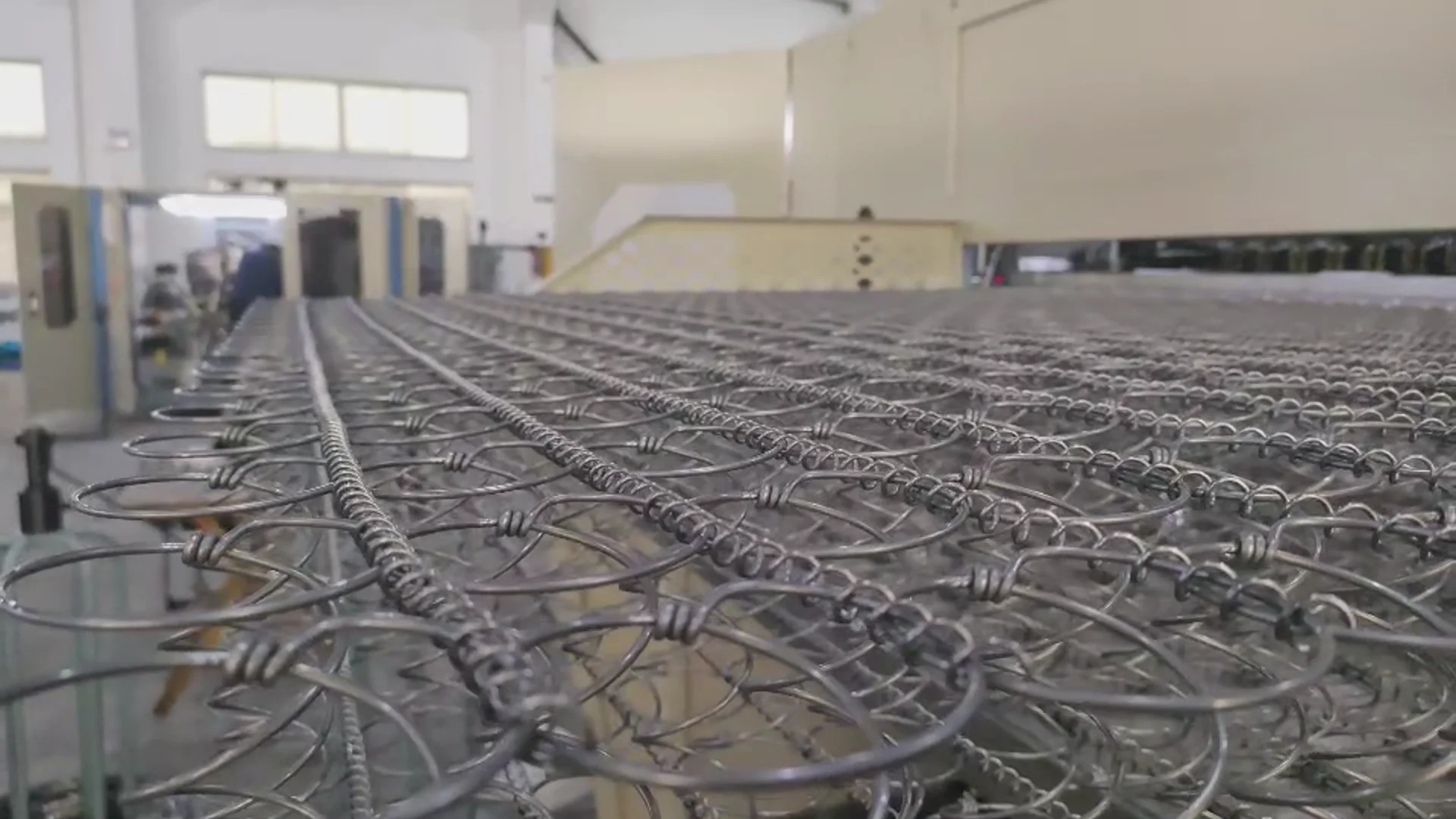
What is a spring machine, and how do B2B bedding and furniture manufacturers choose the right machinery to scale production? A spring machine is an automated industrial system engineered to transform high-carbon steel wire into precision spring coils—such as pocket springs, Bonnell springs, or specialized microcoils—used across mattress, sofa, furniture, and ergonomics manufacturing. B2B purchasing teams at mattress factories, sofa plants, and pillow manufacturing facilities face recurring operational bottlenecks: rising raw material waste, inconsistent spring coil height, high labor turnover on manual assembly lines, and slow machine cycling speeds that constrain daily plant throughput. Modern high-speed spring machine solutions directly solve these friction points by integrating CNC servo-driven coiling, automated heat-treating modules, real-time ultrasonic pocket fabric welding, and inline quality control systems. By upgrading from legacy mechanical coilers to advanced automated machinery, commercial manufacturers can increase output by 30% to 50%, reduce wire breakage rates below 0.1%, and lower unit production costs—delivering the precise firmness, durability, and ergonomic support demanded by global wholesale distributors and B2C retail brands.
What Is an Industrial Spring Machine and How Does It Work in B2B Manufacturing?
An industrial spring machine is a specialized piece of automated equipment designed to process wire rods into structured cushioning components for mattresses, upholstery, and anatomical support products. Every major B2B bedding and furniture producer relies on these automated units as the primary engine of their coil production line. Understanding the mechanical workflow of a modern coiling machine is critical for plant managers evaluating machinery upgrades or expanding facility capacity.
The manufacturing process follows five main technical steps:
Wire Feeding and Pay-Off System: High-carbon spring steel wire (typically 1.3mm to 2.4mm in diameter) is uncoiled from a heavy-duty pay-off stand using variable-frequency tension control to ensure uniform wire feed without tangles or surface friction.
CNC Multi-Axis Coiling: Multi-axis CNC servo motors drive hardened tungsten carbide tools to bend, pitch, and form the wire into precise coil geometries—ranging from cylindrical and hourglass shapes to multi-zone barrel profiles.
In-Line Induction Heat Treatment: Immediately after coiling, the springs pass through an inline electrical thermal treatment zone to relieve internal steel stress, locking in spring memory, height uniformity, and long-term fatigue resistance.
Fabric Encapsulation or Mechanical Knotting: Depending on the coil style, the springs are either fed into non-woven polypropylene pockets using ultrasonic sealing or transferred to knotting mechanisms for interconnected wire frameworks.
Automated Array Assembly: The individual spring units are grouped, glued, or clipped into complete support cores ready for downstream mattress tape-edging, sofa frame fitting, or pillow insertion.
According to research published by the International ISO Standards for Metallic Springs (ISO 26909), precise thermal stress relief and dimensional tolerance control during automated coiling directly determine the fatigue life and cyclic load limits of steel springs in commercial bedding applications.
How Many Types of Spring Machines Exist for Commercial Production?
Selecting the correct spring machine depends on the specific structural profile, pocket design, and coil configuration required by your end products. In the commercial bedding and upholstery sectors, machinery falls into four primary equipment classifications:
To optimize capital expenditure, procurement teams evaluate each category against target production volumes:
High-Speed Pocket Spring Machine: Built for flexible zoning, silence, and independent motion isolation, this machinery type coils wire, heat-treats it, and seals each spring into ultrasonic-welded fabric pockets in one uninterrupted cycle.
Automated Bonnell Spring Machine: Engineered for durability and high-volume basic support units, these machines form traditional hourglass springs and automatically knot the terminal ends to prevent fabric puncture.
Continuous and LFK Spring Coiler: Designed for maximum structural stability per square meter, producing open-offset coils that offer firm edge-to-edge support for hospitality and orthopedic applications.
Micro-Coil and Cushion Spring Unit: Compact coiling systems configured to handle ultra-thin steel wire, producing mini spring layers that replace polyurethane foam in breathable pillows and luxury mattress toppers.
What Types of Springs Can Different Spring Machines Produce?
An enterprise-grade spring machine offers high adaptability, allowing operators to change wire gauges, coil diameters, pitch distances, and turn counts via software parameters. Understanding which coil geometries correspond to specific machinery configurations helps manufacturers match equipment capabilities with market demands.
·Barrel-Shaped Pocket Coils: Produced on advanced pocket coil equipment, these springs taper slightly at the top and bottom. This shape allows the coils to compress smoothly inside non-woven fabric sleeves without rubbing against adjacent springs, ensuring silent performance and superior point elasticity.
·Hourglass Bonnell Springs: Formed on heavy-duty Bonnell coilers, these springs feature a wider outer diameter at the ends and a narrower center waist. Under light loads, the soft outer coils yield easily; under heavier pressure, the central waist provides firm resistance, making them ideal for long-lasting commercial bedding.
·Zoned Pocket Springs: Created using multi-gauge pocket coiling systems that alternate wire diameters (e.g., 1.8mm for lumbar support and 1.6mm for shoulder comfort) within a single continuous fabric strip, enabling ergonomic multi-zone bed core production.
·Mini Micro-Coils: Produced on specialized micro-coil machinery, these low-profile springs (ranging from 15mm to 50mm in height) deliver dynamic airflow and resilient surface contouring, serving as an eco-friendly alternative to synthetic latex and memory foam layers.
What Are the Final Applications of Spring Machine Coils Across Bedding and Furniture?
Coils manufactured by specialized spring machine installations serve as the core support engine for multiple commercial furniture and home comfort sectors. Procurement managers match equipment investments directly to downstream product requirements:
Mattress Manufacturing Plants: Modern bed factories utilize high-output pocket spring coiling and assembly lines to build multi-zone pocket units, edge-reinforced hybrid beds, and roll-packed mattresses designed for efficient box shipping.
Sofa and Upholstered Furniture Production: Furniture factories integrate pocket spring units and sinuous springs into sofa seating cushions, deep-lounge couches, and sectional sofas to retain shape memory, prevent foam sagging, and extend product lifespan.
Ergonomic Pillow and Cushion Manufacturing: Specialty pillow manufacturers deploy micro-spring arrays encased in gel-infused memory foam or natural cotton covers, providing dynamic neck support and continuous thermal ventilation superior to solid foam blocks.
Office Seating and Automotive Interiors: High-durability micro-coils are increasingly embedded in commercial task chairs, executive seating, and vehicle seats to reduce heat accumulation and offer dynamic pelvic support during long sitting periods.
How Do B2B Buyers Evaluate Spring Machine Technical Parameters Before Purchase?
When investing in industrial production assets, B2B procurement managers, technical directors, and factory owners must evaluate equipment based on measurable performance parameters. Standardized engineering specifications ensure that a new spring machine aligns with factory power grids, floor space, material inputs, and target ROI schedules.
Key engineering metrics to demand from your mattress machine manufacturer include:
Coiling Speed and Throughput: Measured in coils per minute (e.g., 180–260 coils/min for pocket units). Higher linear speeds must be supported by real-time wire tension control to avoid dimensional drift.
Wire Gauge Versatility: The capability to handle high-carbon steel wire diameters ranging from 1.3 mm to 2.4 mm without requiring lengthy manual mechanical re-tooling.
Ultrasonic Welding Stability: For pocket coilers, the ultrasonic generator power (typically 20 kHz frequency) dictates seam strength and non-woven fabric bonding speed without burning the material.
Energy Efficiency Rating: Servo-driven motor systems lower power consumption by 20% to 35% compared to legacy hydraulic or continuous AC motor setups, directly reducing per-unit operational costs.
Machine Footprint and Automation Interface: Compact modular designs with PLC touchscreens (supporting multi-language operation, error diagnostics, and remote IoT maintenance) allow smooth integration into automated plant layouts.
To verify machinery performance, leading producers evaluate equipment from established innovators like LianRou Mattress Machinery, whose patented multi-axis servo coiling setups and high-speed pocketing technology have set industry standards for stable operation and material savings.
Key Takeaways for B2B Spring Machine Procurement
Targeted Equipment Selection: Match the coiling technology directly to product lines—high-speed pocket coilers for luxury/hybrid mattresses, Bonnell coilers for heavy-duty institutional beds, and micro-coil units for pillows and seat cushions.
Focus on Total Cost of Ownership (TCO): Evaluate servo motor energy efficiency, wire scrap rates, tool steel durability, and remote diagnostic features rather than focusing solely on upfront machine purchase price.
Demand Compliance & Standards: Ensure all machinery carries CE certification, ISO manufacturing compliance, and standardized safety guarding for high-speed mechanical operation.
Prioritize After-Sales Support: Select an established mattress machine manufacturer offering global spare parts availability, fast technical response times, and onsite operator training.
FAQ: B2B Spring Machine Purchasing and Technical Queries
Q1: What is the average payback period (ROI) for a high-speed pocket spring machine?
A1: For mid-to-large-scale mattress factories operating single or double shifts, upgrading to a high-speed pocket spring coiling line typically achieves full capital payback within 12 to 18 months through reduced labor overhead, lower scrap rates, and increased daily coil output.
Q2: How does automatic inline heat treatment affect spring quality?
A2: Inline thermal induction heat treatment instantly relieves internal mechanical stresses created during cold wire coiling. This locks in spring height, prevents shape degradation under compression testing, and ensures consistent resilience throughout the mattress lifecycle.
Q3: Can one spring machine produce different spring heights and zone firmnesses?
A3: Yes. Modern CNC servo-driven pocket spring machines allow operators to adjust spring height, coil turns, and coil diameters directly via the PLC touchscreen interface, enabling seamless transition between firm and soft ergonomic zones.
Q4: What non-woven fabric specification is recommended for pocket spring machine production?
A4: Spunbond polypropylene non-woven fabric with a surface weight between 60 g/m² and 85 g/m² is standard. It provides the ideal balance of tensile strength, thermal weldability, and tear resistance under continuous pocket coil pressure.
<details>
<summary><strong>Makalah Teknis: Metalurgi Lanjutan & Otomasi CNC dalam Pengoperasian Mesin Pegas (Klik untuk Memperluas)</strong></summary>
<div class="hidden-content">
<h4>Memahami Pelepasan Tegangan Metalurgi dalam Sistem Mesin Pegas Kecepatan Tinggi</h4>
<p>Dalam manufaktur tempat tidur dan pelapis modern bervolume tinggi, integritas mekanik dinamis pegas baja sangat bergantung pada fase penggulungan awal dan pengkondisian termal. Ketika kawat baja pegas berkadar karbon tinggi (biasanya baja standar SWC 60-80 atau EN 10270-1 SH) dibentuk dingin oleh mesin pegas, tegangan torsi dan tarik internal yang signifikan dimasukkan ke dalam kisi kristal kawat. Jika tidak dikoreksi, tegangan internal ini menyebabkan kehilangan tinggi prematur, kegagalan kelelahan dinamis, dan variasi kekencangan yang tidak dapat diprediksi di seluruh inti kasur yang dirakit.
Untuk menghilangkan cacat metalurgi ini, lini mesin pegas saku kelas atas dan konfigurasi mesin pegas Bonnell otomatis mengintegrasikan sistem perlakuan panas induksi kontinu. Saat kepala penggulung CNC memotong setiap pegas, lengan mekanis otomatis mentransfer gulungan yang baru terbentuk melalui kumparan induksi listrik frekuensi tinggi lokal atau elektroda pemanas resistansi. Pemanasan kawat hingga rentang suhu yang tepat (biasanya 240°C hingga 300°C) selama beberapa detik mengurangi regangan geser lokal tanpa mengubah kekerasan temper kawat yang mendasarinya. Proses penghilangan tegangan berkelanjutan ini menjamin bahwa setiap kumparan mempertahankan toleransi tinggi bebas aslinya dalam ±1,5 mm, bahkan setelah mengalami 100.000 siklus kompresi di bawah protokol pengujian ketahanan ASTM F1566.
Kontrol Gerak Servo CNC Tingkat Lanjut dan Teknologi Pembuatan Kantong Ultrasonik
Mesin pegas mekanis konvensional mengandalkan cam fisik yang kompleks, roda gigi mekanis, dan roda tangan manual untuk mengatur jarak umpan kawat dan diameter putaran pegas. Lingkungan produksi modern menuntut peralihan produk yang cepat, konfigurasi kasur multi-zona, dan limbah material minimal. Pergeseran ini telah mendorong produsen terkemuka, seperti LianRou Mattress Machinery dan perusahaan teknik perusahaan terkemuka, untuk mengadopsi arsitektur digital CNC multi-sumbu dalam setiap desain mesin pegas kontemporer.
Dalam mesin pegas saku CNC multi-sumbu, motor servo torsi tinggi khusus secara independen mengontrol pengumpanan kawat, penyesuaian pitch, posisi baji penggulung, dan pemotongan kawat. Desain digital yang terpisah ini memungkinkan operator mesin untuk memprogram profil pegas multi-zona yang kompleks secara langsung melalui antarmuka PLC layar sentuh dalam hitungan detik. Misalnya, selembar kain kontinu tunggal dapat secara otomatis beralih dari zona pinggang kawat 1,8 mm yang kokoh ke zona bahu kawat 1,6 mm yang lebih lembut tanpa menghentikan jalur produksi.
Selain itu, integrasi generator pengelasan ultrasonik daya tinggi 20 kHz merevolusi enkapsulasi kantong kain. Alih-alih menggunakan lem leleh panas termal untuk membentuk selongsong pegas individual, transduser ultrasonik menerapkan getaran mekanis cepat pada kain polipropilen non-anyaman. Panas gesekan langsung menyatukan serat polimer pada tingkat molekuler, menciptakan jahitan memanjang yang bersih dan permanen yang tahan terhadap gaya sobek lateral yang parah selama pengemasan gulungan terkompresi (pengemasan kasur dalam kotak).
Analisis Perbandingan Pengeluaran Modal Mesin dan Biaya Operasional Jangka Panjang
Ketika tim pengadaan perusahaan mengevaluasi investasi dari produsen mesin kasur komersial, menghitung total biaya kepemilikan (TCO) memerlukan pertimbangan yang jauh melampaui harga pembelian mesin awal. Keandalan mesin, efisiensi energi, keausan bahan habis pakai, dan tingkat limbah kawat baja merupakan sebagian besar pengeluaran operasional siklus hidup.
Pertimbangkan metrik keuangan komparatif antara mesin penggulung mekanis konvensional dan mesin pegas otomatis canggih yang digerakkan servo yang beroperasi selama siklus standar 5 tahun:
Pemanfaatan Bahan Baku: Sistem pengumpanan yang digerakkan servo yang dilengkapi dengan deteksi selip kawat secara real-time mengurangi tingkat limbah kawat mentah dari rata-rata industri 2,5% menjadi kurang dari 0,2%, menghasilkan puluhan ribu dolar penghematan kawat baja setiap tahunnya. penghematan.</li>
<li><strong>Konsumsi Energi:</strong> Motor servo frekuensi variabel hanya mengkonsumsi daya selama perpindahan mekanis aktif, menurunkan penggunaan listrik kilowatt-jam (kWh) pabrik hingga 30% dibandingkan dengan penggerak AC lama yang beroperasi terus menerus.</li>
<li><strong>Optimalisasi Kain Non-Anyaman:</strong> Tanduk pengelasan ultrasonik presisi menghilangkan pemborosan tumpang tindih kain, memungkinkan produsen untuk mengurangi persyaratan lebar gulungan kain non-anyaman sebesar 5% hingga 8% per tali saku yang diproduksi.</li>
<li><strong>Waktu Henti & Pemeliharaan: Modul diagnostik IoT jarak jauh memungkinkan teknisi di luar lokasi untuk mendiagnosis kode kesalahan PLC, memperbarui firmware kontrol gerak, dan menjadwalkan pemeliharaan preventif, meminimalkan waktu henti pabrik yang tidak direncanakan.
Dengan meningkatkan aset fasilitas ke teknologi mesin pegas berkapasitas tinggi modern, pabrik kasur komersial, pabrik sofa, dan pemasok komponen bantal mengamankan keunggulan biaya kompetitif jangka panjang sambil mempertahankan standar kualitas ketat yang dibutuhkan oleh merek OEM global dan pengecer e-commerce langsung ke konsumen.